In 2025, one observation continues to stand out: Singaporeans remain among the most property-focused people in the world. Conversations about housing prices, BTO launches, legacy planning, or “when to upgrade” show up everywhere — from coffee shop chatter to boardroom discussions. Even with high interest rates, new HDB classifications, and softer transaction volumes, the collective fixation hasn’t exactly gone away.
This raises a question worth examining: Are Singaporeans genuinely obsessed with property — or are they simply behaving rationally within the structure of Singapore’s economic system?
This article explores both sides of the debate, grounded in today’s landscape of policy shifts, affordability concerns, and evolving investment habits.
Where the Obsession Comes From: A Historical and Policy Context
The Asset Enhancement Legacy
Singapore’s housing story is unique. From the early days of independence, the government intentionally built a nation of homeowners. Through CPF — a mandatory savings system that flows naturally into housing — property became the primary store of household wealth.
Today, the homeownership rate among Singapore citizens remains exceptionally high, and many families continue to rely on appreciation of their homes as a long-term financial pillar.
Limited Land, Strong Governance
With limited land, a transparent regulatory framework, and highly coordinated planning, Singapore created one of the world’s most reliable housing ecosystems.
Unlike global markets that experienced painful crashes, Singapore’s market has historically been more stable. This reinforced trust: property feels safe, even during global uncertainty.
Cultural Drivers: Stability, Status, and Security
Housing has become deeply intertwined with social identity. Families emphasise “getting your first home”, “upgrading for the children”, or “leaving a property behind”. In a society that values stability and long-term planning, property is more than a financial asset — it is a life milestone.
The Case For Singapore’s Property Obsession
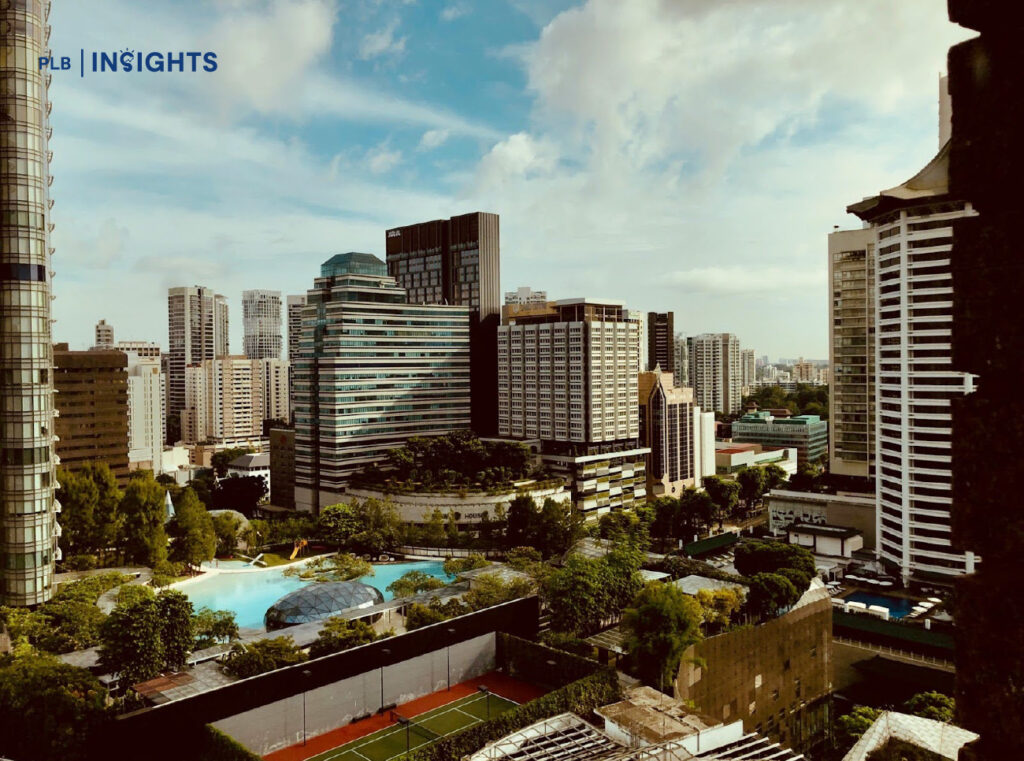
A Proven Wealth Engine
Singapore’s property market has been remarkably resilient across cycles.
Even after the pandemic run-up, landed homes recorded around 37% growth from 2020 till today. Non-landed segments, including private mass-market condos and Executive Condominiums (ECs), continue to hold value despite cooling measures and cautious sentiment.
For many households, property remains one of the most reliable paths to wealth accumulation.
Strong Policy Buffers
Singapore’s housing policies — Total Debt Servicing Ratio (TDSR), Mortgage Servicing Ration (MSR), Additional Buyer’s Stamp Duty (ABSD), a robust supply pipeline — prevent excessive speculation and extreme volatility.
Public housing’s pricing model keeps BTOs accessible, anchoring affordability at the foundational level and reducing systemic risk.
This creates an environment where most people feel secure buying property, even during uncertain global periods.
Tangible Use and Psychological Security
Property is unique because it has dual utility: financial and residential. You live in it, raise a family in it, and avoid rental expenditure, which has been high in recent years. The utility factor strengthens confidence in property compared to equities, crypto, or more volatile assets.
Wealth Preservation and Legacy Planning
Landed homes — less than 5% of Singapore’s total housing stock — remain a long-term favourite for families thinking about legacy. Their scarcity reinforces stability.
Many households buy with an eye on their children’s future or multi-generational living arrangements.
The Case Against the Obsession
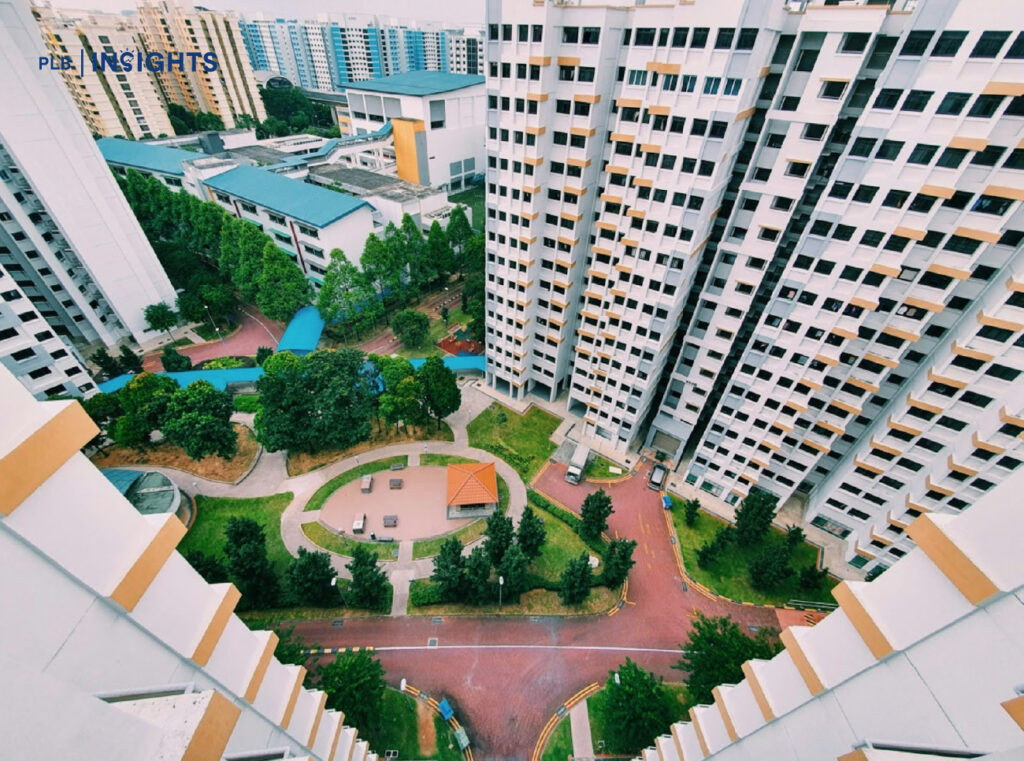
Over-Concentration Risks
Singaporean households often hold 80–95% of their net worth in property. This creates vulnerability during periods of high interest rates or unexpected income shocks. The asset-heavy but cash-light structure may reduce flexibility to invest in global markets, build cash buffers, or pursue entrepreneurial ventures.
Diminishing Affordability for Younger Buyers
Affordability is shifting. The new HDB classification framework (Standard, Plus, Prime) introduces income caps, resale conditions, and stricter eligibility criteria, affecting mobility and future gains.
Private home prices remain firm due to strong holding power among existing owners, narrowing entry points for young couples.
For many younger Singaporeans, the expectation to “buy property early” can feel like a lifelong financial commitment.
Liquidity and Opportunity Costs
Unlike equities or bonds, property cannot be partially sold to raise quick cash. Mortgage commitments reduce available liquidity, and selling takes time.
This can constrain financial planning, especially for younger households managing rising costs of living.
Social Pressure and Emotional Weight
Property ownership carries implied social expectations — the “upgrade ladder”, prestige of certain districts, and comparisons among peers.
This pressure can drive decisions that prioritise status over long-term financial security. The emotional load of “keeping up” is becoming more pronounced for the next generation.
The 2025 Landscape: Why the Debate Is More Relevant Than Ever
High Interest Rates and Cautious Sentiment
The Fed’s extended pause in rate cuts has kept borrowing costs high.
Many buyers prefer to wait and observe, resulting in slower transaction volumes. Yet prices remain sticky because owners have strong holding power and limited incentive to sell.
This divergence amplifies frustrations among first-time buyers while reinforcing the belief that property is “always safe”.
A Shift in HDB Policy Direction
The tighter HDB framework signals a long-term recalibration: Public housing is returning more firmly to its social objective rather than being a speculative wealth escalator.
This has implications on mobility, appreciation expectations, and long-term wealth accumulation strategies for younger generations.
Growing Interest in Alternative Investments
The younger generation is increasingly comfortable with ETFs, REITs, robo-advisors, and global portfolios.
A more diversified financial mindset is emerging, challenging the idea that property must dominate personal wealth.
Are Singaporeans Obsessed… or Just Rational?
A Rational Strategy Within a Unique Ecosystem
From a structural perspective, Singaporeans’ preference for property is logical.
A well-regulated environment, limited land, rising incomes, and strong demand for homeownership all contribute to the reliability of housing as an asset class.
Given the alternatives and the stability Singapore provides, property remains a sensible cornerstone for many families.
But the Next Generation Faces Different Realities
Unlike previous decades, affordability is now a concern. New policies create tighter pathways, and interest rates remain elevated. Younger Singaporeans may need more balanced wealth strategies compared to earlier generations who benefited from rapid price appreciation.
The assumption that property must form the bulk of one’s net worth is being challenged by the realities of 2025.
What a Healthier Relationship with Property Could Look Like

Property as a Pillar — Not the Entire Foundation
A strong financial plan rests on multiple pillars, not just one. While real estate can be a meaningful anchor, relying on it exclusively exposes households to interest rate cycles, liquidity constraints, and market timing risks.
A healthier approach is to pair real estate with diversified instruments — global equities for long-term growth, bonds for stability, cash reserves for flexibility, and insurance as protection.
This creates a portfolio that can withstand unexpected shocks without forcing property decisions under pressure.
Distinguishing Lifestyle Choices from Investment Decisions
A home upgrade can improve comfort and family life — but it may not always be the optimal financial move.
Understanding this difference helps households avoid overstretching for attributes that look appealing but add little long-term value, such as marginal location improvements or unnecessary space premiums.
A simple guiding question helps: Does this move genuinely improve my day-to-day life, or am I responding to social pressure or perceived expectations?
Planning with Flexibility, Not Just Optimism
Leverage magnifies both gains and risks. A healthier relationship with property means anticipating future obligations — from childcare and education to ageing parents — and ensuring that mortgage commitments do not restrict important life choices.
Maintaining buffers, keeping loan tenures manageable, and setting aside reserves for interest rate movements allow households to stay adaptable across changing market cycles.
Conclusion: The Obsession Isn’t Going Away — But It Can Evolve
Singapore’s property-centric culture isn’t disappearing anytime soon. The system, incentives, and lived experiences all reinforce the perception of property as the safest long-term asset. But as affordability shifts and financial options broaden, the next generation will likely adopt a more balanced approach.
The real question is no longer whether Singaporeans are obsessed with property — but whether this obsession continues to serve us well in a world that is changing faster than ever.
If you’re planning your next housing decision and want a clearer sense of your options, our sales consultants are here to help.